
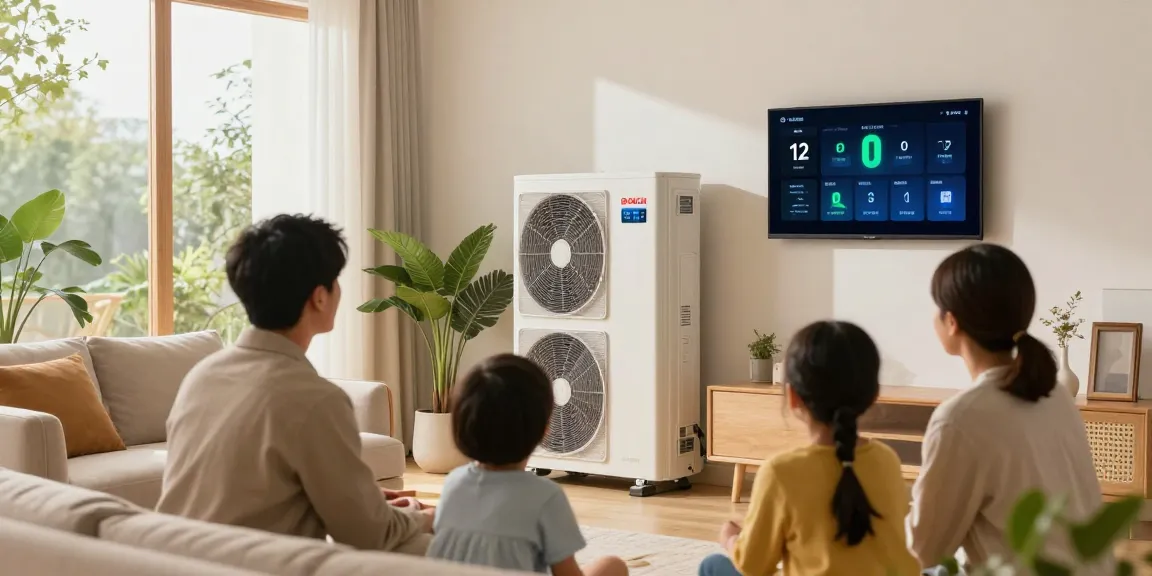
Understanding the Basics of Wärmepumpe Bosch Technology
The emergence of heat pump technology represents a significant advancement in energy-efficient heating and cooling solutions. Among the leaders in this innovative field is Bosch, a name synonymous with quality and reliability. The wärmepumpe bosch offers homeowners an efficient alternative to traditional heating systems, leveraging advanced engineering to create an optimal indoor climate while minimizing energy consumption. In this article, we will explore the technical aspects of Bosch heat pumps, illustrating how they operate and the various types available for different applications.
What is a Bosch Heat Pump?
A Bosch heat pump is a sophisticated device that transfers heat from one place to another, providing both heating and cooling capabilities. Unlike conventional heating systems that generate heat, a heat pump efficiently redistributes ambient thermal energy. This technology allows for lower operational costs and reduced carbon emissions, aligning with global sustainability goals.
How Does a Heat Pump Work?
At its core, a heat pump operates on the principles of thermodynamics. It uses a refrigeration cycle to absorb heat from the surrounding environment (air, ground, or water) and transfers it indoors. The key components include:
- Evaporator: Absorbs heat from the environment, turning the refrigerant from liquid to gas.
- Compressor: Raises the temperature of the gas by compressing it.
- Condenser: Releases the absorbed heat into the indoor environment, converting the gas back to liquid.
- Expansion Valve: Reduces the pressure of the refrigerant, allowing it to flow back to the evaporator.
Different Types of Bosch Heat Pumps Available
Bosch offers various heat pump models tailored to different needs:
- Air-source heat pumps: These are the most common types and extract heat from the air. They are suitable for moderate climates.
- Ground-source (Geothermal) heat pumps: These systems utilize the stable temperatures found underground and are known for their high efficiency, particularly in extreme temperatures.
- Water-source heat pumps: Ideal for properties near water bodies, this type absorbs heat from water sources, enhancing efficiency.
Benefits of Installing a Wärmepumpe Bosch
The benefits of Bosch heat pumps extend far beyond simple heating or cooling functions. They embody an investment into energy efficiency and sustainability that can result in substantial long-term savings.
Energy Efficiency and Cost Savings
Bosch heat pumps are celebrated for their impressive energy efficiency ratings, often exceeding traditional heaters’ performance metrics. With a Seasonal Coefficient of Performance (SCOP) of up to 5.1, these systems can provide more than five times the amount of heat energy than the electrical energy they consume. This translates to considerable savings on energy bills, often reducing heating costs by up to 50% when compared to fossil fuel systems.
Environmental Impact and Sustainability
By harnessing renewable energy sources, Bosch heat pumps contribute to a significant reduction in carbon footprint. They help minimize reliance on fossil fuels, thereby promoting sustainability and adhering to environmental regulations aimed at reducing greenhouse gas emissions. This aligns with global mandates for greener technology and responsible energy consumption.
Improving Home Comfort with Innovative Features
Modern Bosch heat pumps come equipped with advanced features such as smart home compatibility, allowing for seamless integration with home automation systems. This capability enables users to monitor and adjust their heating and cooling preferences remotely, enhancing comfort while optimizing energy use.
Choosing the Right Wärmepumpe Bosch for Your Home
Selecting the right heat pump is essential for achieving optimal performance and efficiency. Several factors must be considered to ensure that the chosen system aligns with your home’s specific needs.
Key Factors to Consider
When choosing a Bosch heat pump, consider the following:
- Home Size: The pump’s capacity must match the heating and cooling needs of the home. Oversized or undersized units can lead to inefficiencies.
- Climate: The type of heat pump selected should be compatible with the local climate conditions.
- Installation Space: Space availability for outdoor units can limit options, particularly for air-source models.
Comparative Analysis: Bosch vs. Competitors
While Bosch heat pumps are known for their reliability and performance, evaluating alternatives can help you make an informed choice. Competitors like Viessmann and Stiebel Eltron offer distinct advantages, but Bosch often excels in terms of service and support. Reviews and comparisons from trusted sources can aid in determining the best fit for your needs.
Home Size and Heat Demand Calculations
An accurate assessment of your home’s heat demand is critical. Tools and calculators are available to help estimate the required heating capacity based on factors such as:
- Square footage: Larger homes generally require more powerful systems.
- Insulation quality: Well-insulated homes retain heat better, allowing for lower capacity requirements.
- Window efficiency: The type of windows installed can affect overall energy loss and heating needs.
Installation Process for Wärmepumpe Bosch
Installing a Bosch heat pump involves several critical steps to ensure a successful setup and optimal performance. Proper installation is essential to maximize efficiency and minimize future issues.
Preparing Your Home for Installation
Before installation, homeowners should prepare by assessing the property and identifying the optimal location for the outdoor unit. Considerations should include accessibility for future maintenance and avoiding obstructions that could impede airflow.
Understanding the Installation Timeline
The timeline for installation can vary based on the complexity of the system and existing infrastructure. Generally, the process can take anywhere from one to three days, depending on whether it involves retrofitting an existing system or installing a new one from scratch.
Common Challenges During Installation and Their Solutions
Some common challenges during the installation of Bosch heat pumps include:
- Space Constraints: Limited outdoor space may necessitate creative solutions, such as wall-mounted units.
- Electrical Upgrades: Some systems may require upgrades to existing electrical systems to handle increased load, which can extend the installation timeline.
Future Trends in Wärmepumpe Bosch Technology
As we look toward 2026 and beyond, heat pump technology continues to innovate, with Bosch leading the charge in efficiency and sustainability improvements.
Innovations in Heat Pump Efficiency by 2026
Emerging technologies aim to enhance heat pump efficiency even further, potentially pushing SCOP ratings above current benchmarks. Innovations such as variable-speed compressors and advanced refrigerants could revolutionize performance standards, making heat pumps an even more attractive option for homeowners.
Integration with Smart Home Systems
The future of HVAC systems lies in smart integration. Bosch is committed to developing heat pumps that can communicate with smart home systems, allowing for enhanced control and energy management that can lead to further cost savings and increased user satisfaction.
Regulatory Changes and Their Impact on Heat Pumps
The regulatory landscape around heating technologies is evolving, with stricter energy efficiency standards likely to emerge. Bosch’s proactive approach to compliance and innovation positions its heat pumps as ideal solutions for future-proofing home heating systems.
How Does a Bosch Heat Pump Compare to Other Brands?
When comparing Bosch to other notable brands like Viessmann or Daikin, several factors come into play. Bosch models often showcase robust construction, efficient performance, and excellent after-sales support, making them a strong contender in the market.
What Are the Average Costs of Installing a Bosch Heat Pump?
The cost of installing a Bosch heat pump can vary based on several factors, including model selection, home size, and installation complexity. Generally, homeowners can expect to pay between €20,000 and €40,000 for a typical system installation, inclusive of materials and labor.
Customer Experiences with Bosch Wärmepumpen?
Customer feedback on Bosch heat pumps tends to be overwhelmingly positive, highlighting reliability, efficiency, and performance. Many users commend the low noise levels and consistent comfort levels achieved through the system’s advanced technology.
What Maintenance is Required for a Bosch Heat Pump?
Maintenance for a Bosch heat pump typically includes regular filter changes, annual professional inspections, and ensuring that outdoor units are free from debris. These proactive measures can help extend system lifespan and maintain high efficiency.
How to Optimize Performance of Your Bosch Heat Pump?
Optimizing the performance of a Bosch heat pump involves setting appropriate thermostats, utilizing programmable settings, and ensuring proper insulation throughout the home. Regular maintenance checks are also crucial for identifying potential issues before they escalate.


